
RFQ Preparation Checklist
- Joint-by-joint load profile
- Expected gait speed and acceleration envelope
- Thermal and cooling assumptions
- Control stack and feedback requirements
- Pilot timeline and acceptance plan
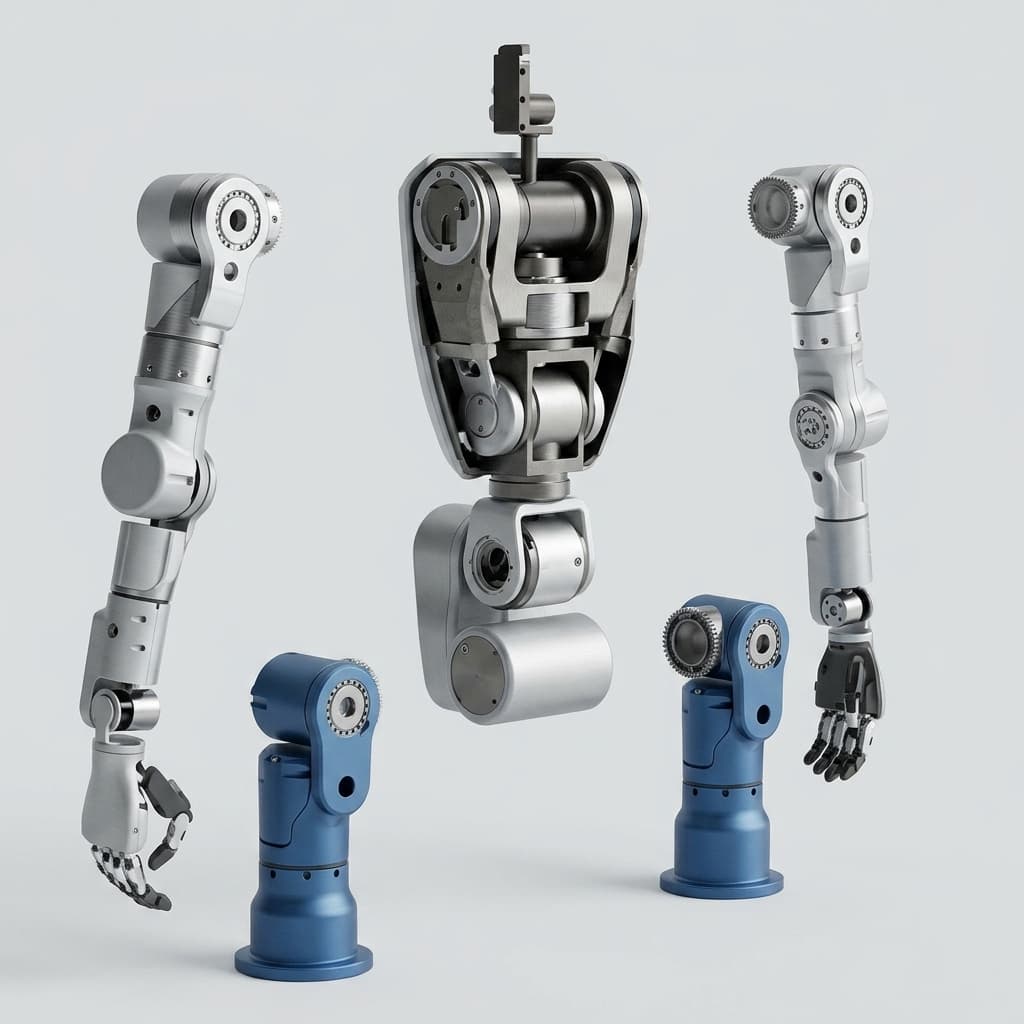
Joint architecture guidance for lower-body locomotion with emphasis on impact tolerance, efficiency, and repeatability.
| Evaluation Metric | Typical Range | Buyer Relevance |
|---|---|---|
| Peak torque reserve | Defined by gait and payload scenario | Reserve margin prevents instability during transient events. |
| Thermal drift at cycle duty | Program-specific with validation evidence | Thermal drift impacts consistency and control predictability. |
| Impact survivability margin | Validated per contact-event profile | Directly tied to hardware life and downtime risk. |
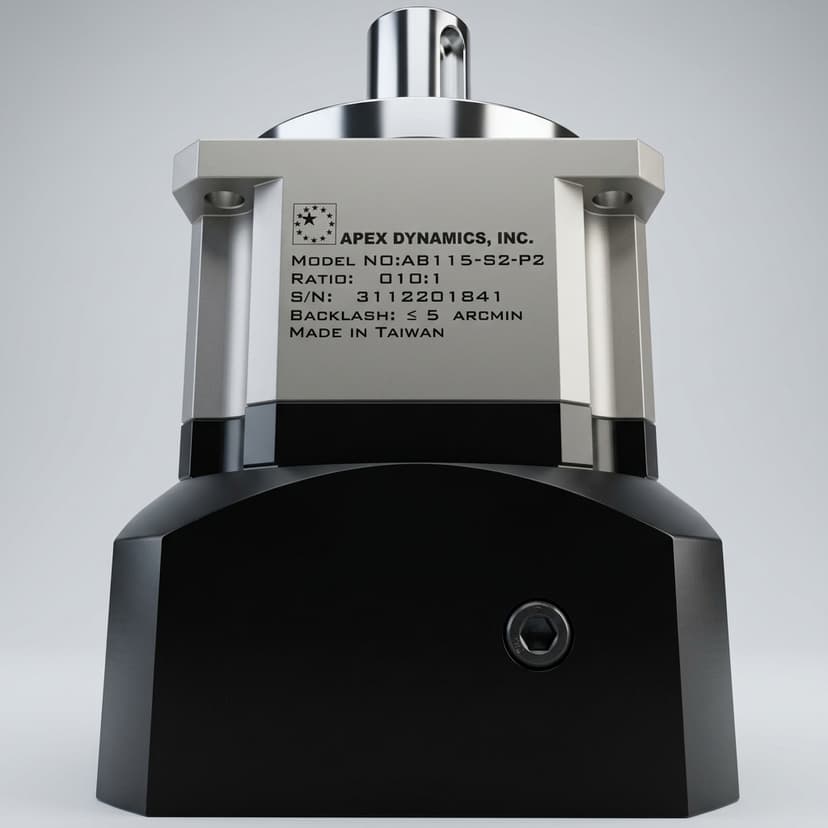
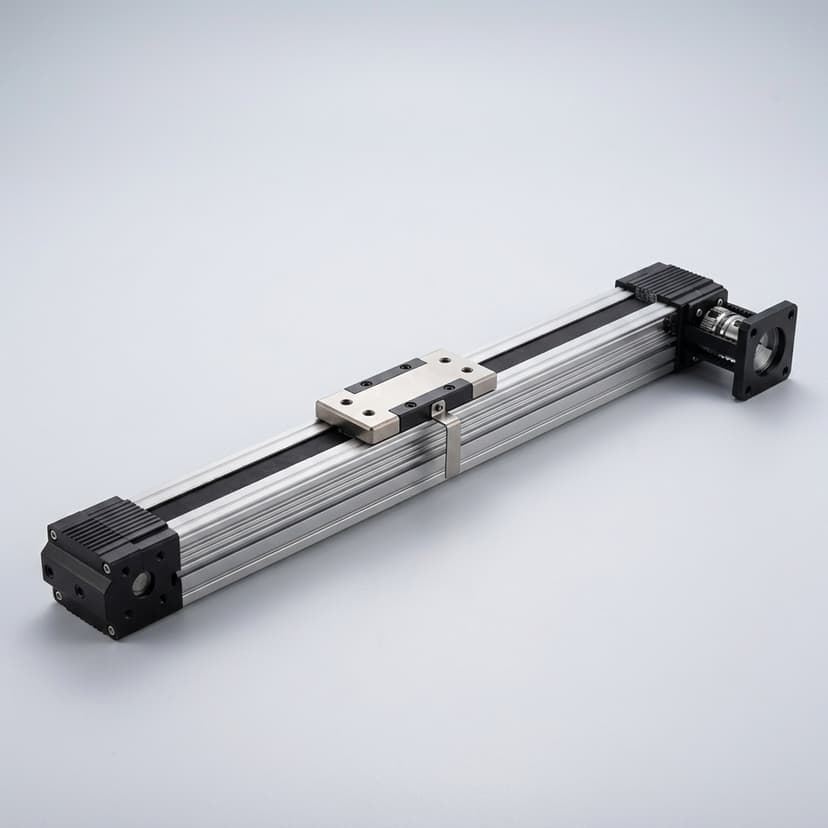
Send joint load profile, motion objectives, control stack assumptions, and timeline targets for fast feasibility feedback.
Yes. Share known assumptions first, then close critical gaps in a structured clarification round.
Yes. We support staged planning with revision-controlled transition checkpoints.
Inquiry Email
Send target torque/speed, quantity, and destination for faster RFQ response.