
RFQ Checklist
- Target torque/speed envelope and duty cycle
- Mounting envelope and rotor inertia constraints
- Cooling and thermal interface assumptions
- Driver and sensing architecture
- Revision-controlled CAD references
Frameless stator/rotor set for custom humanoid joint packaging where torque density and envelope efficiency are critical.
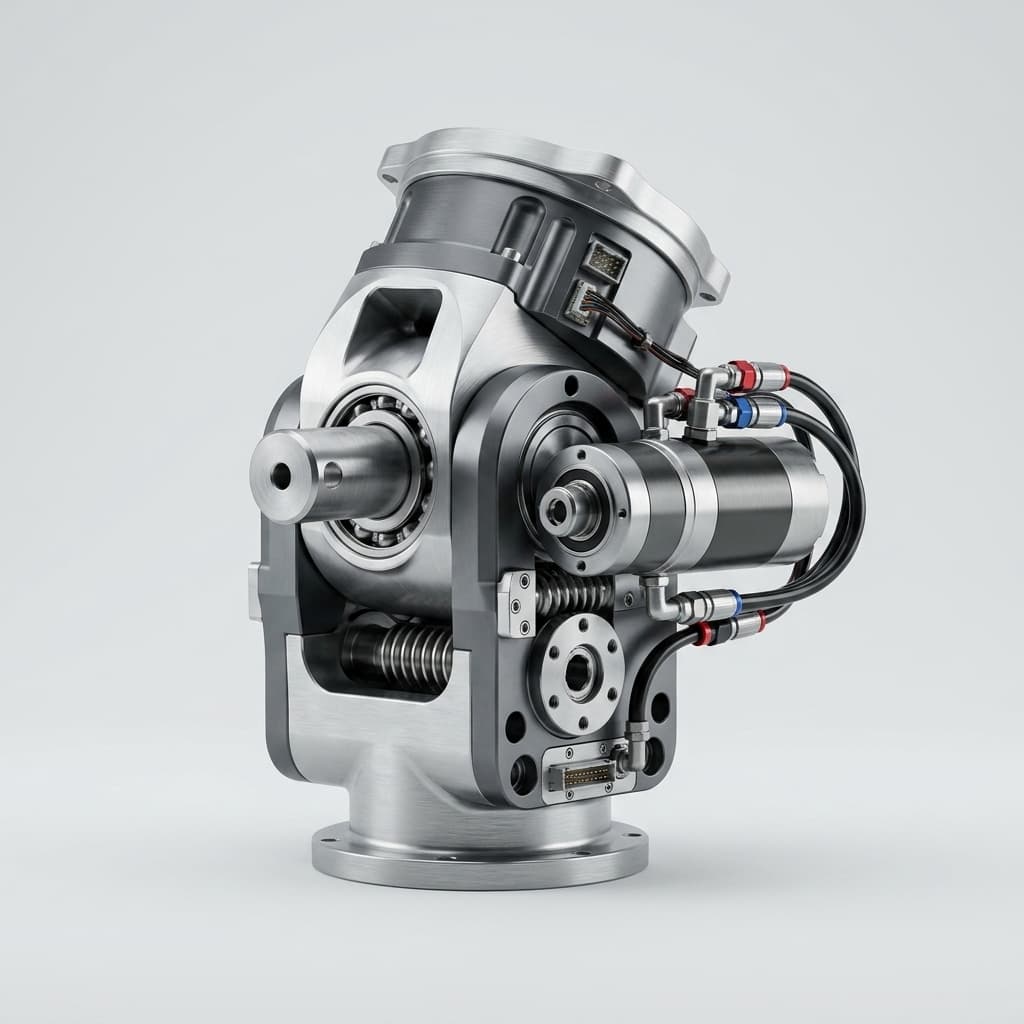
Download exact 3D STEP models, 2D installation tolerances, and electrical wiring PDFs. Verified for standard OEM integration.
Exploded view and deterministic T-N operational envelope.
| Metric | Typical Range | Why It Matters |
|---|---|---|
| Torque density | Application-specific high-density configuration | Higher torque density enables smaller joints and better whole-body mass distribution. |
| Thermal resistance path | Defined by housing and cooling architecture | Thermal stability drives repeatability in long-cycle operation. |
| Mechanical envelope efficiency | Optimized per joint axis geometry | Envelope utilization affects available motion range and integration feasibility. |
Reference parameters for the base configuration.
| Specification | Typical Range / Value | Unit |
|---|---|---|
| Peak Torque (Tmax) | 177.2 | N·m |
| Continuous Torque (Tc) | 106.3 | N·m |
| Nominal Voltage | 48V DC | - |
| Max Output Speed | 71 | RPM |
| System Weight | 2.29 | kg |
| Ingress Protection | IP65 | - |
| Communication Interface | CAN FD / RS485 | - |
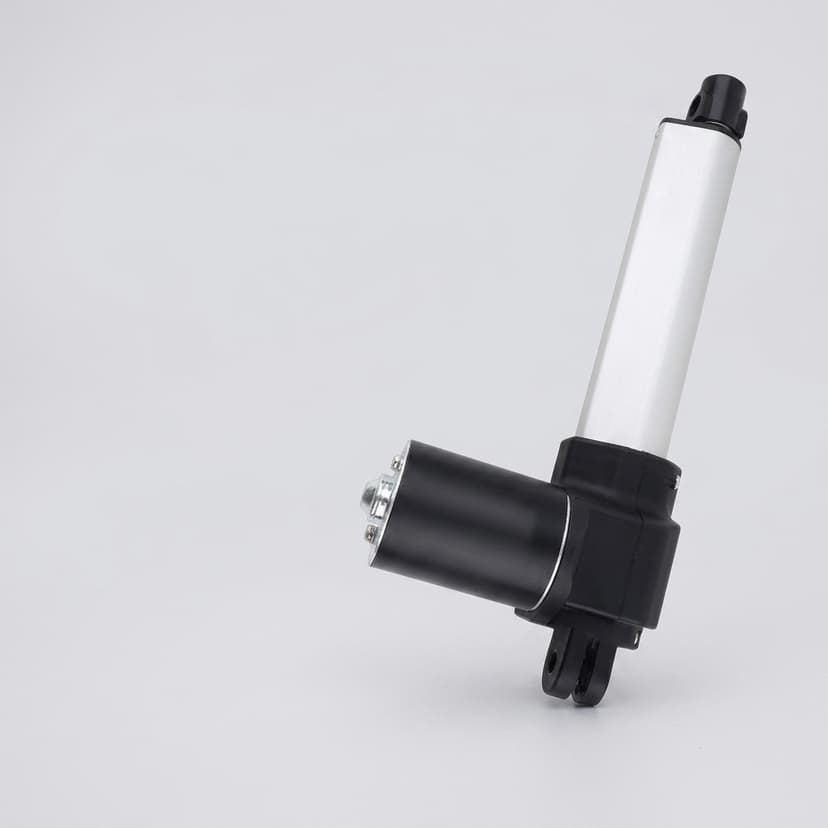
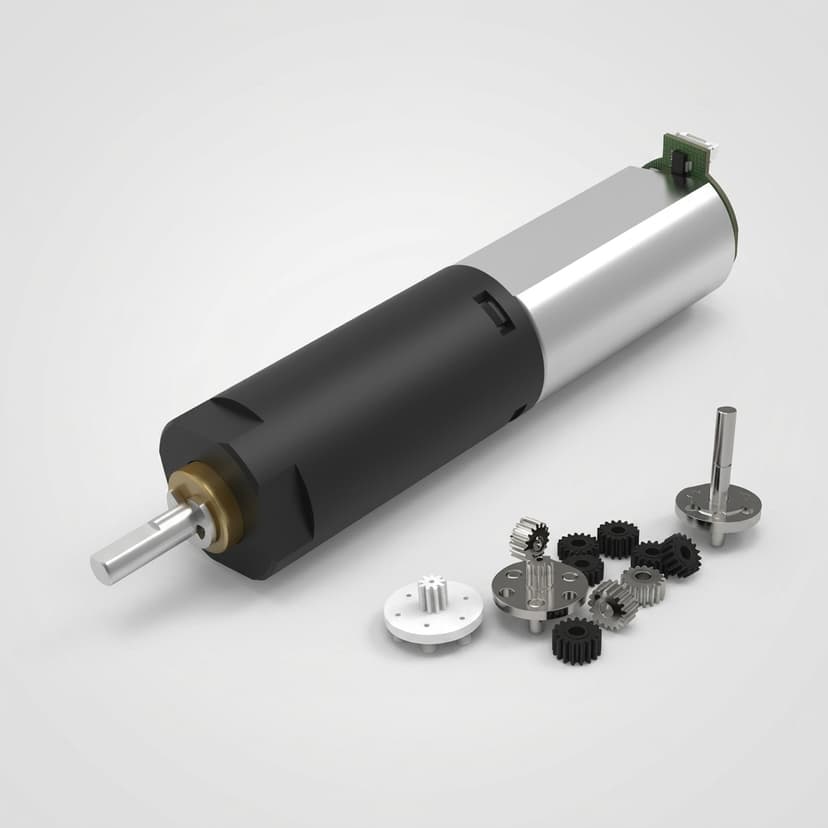
Yes. Share reducer constraints, inertia budget, and control architecture for compatibility review.
Yes. We provide DFM feedback on tolerance, process route, and assembly risks before sample lock.
Use revision-controlled CAD and agreed validation gates so each sample loop has clear pass/fail evidence.
Public download links for procurement and engineering teams. No account or login required.
Inquiry Email
Send target torque/speed, quantity, and destination for faster RFQ response.