
RFQ Checklist
- Leg joint role and gait profile
- Peak and continuous load assumptions
- Compliance target and control strategy
- Integration envelope and mounting interface
- Pilot test plan and acceptance threshold
Leg-joint actuator architecture oriented to impact absorption, compliance control, and dynamic gait stability.
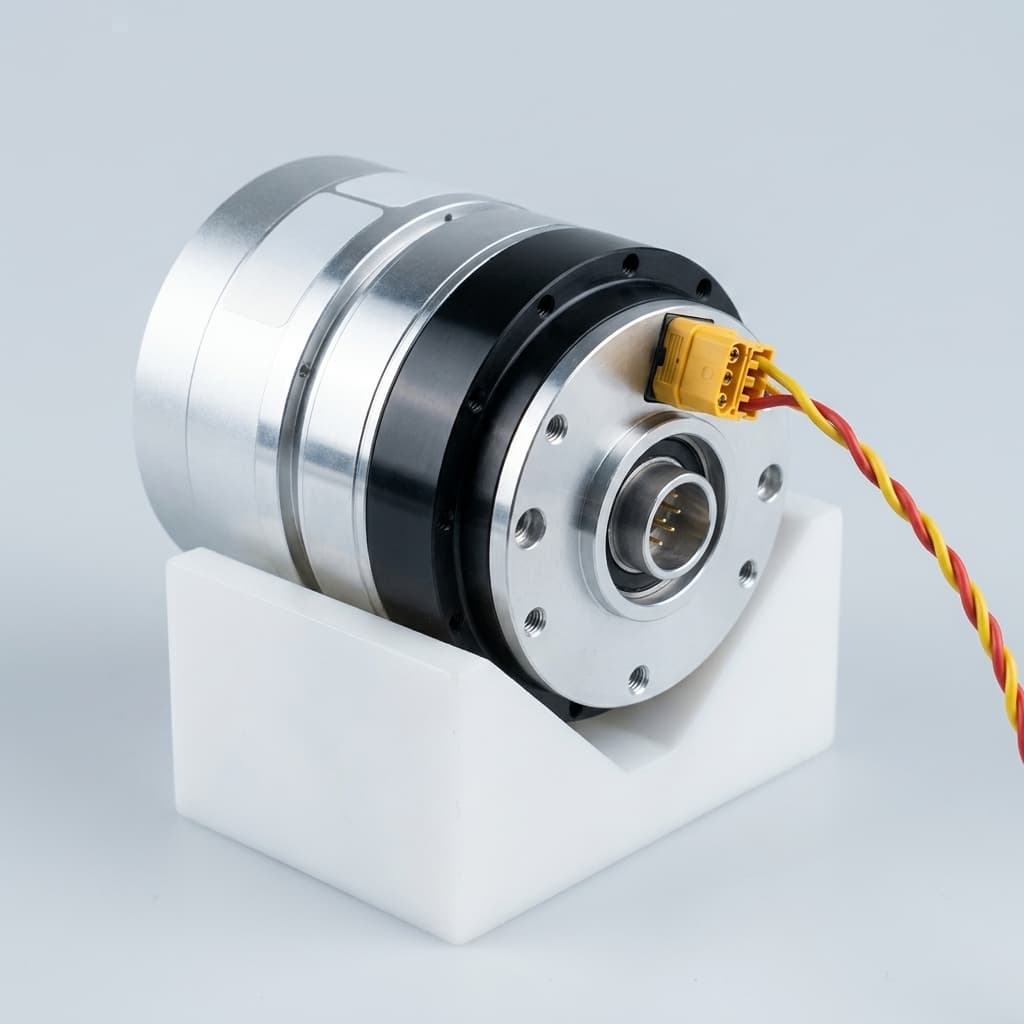
Download exact 3D STEP models, 2D installation tolerances, and electrical wiring PDFs. Verified for standard OEM integration.
Exploded view and deterministic T-N operational envelope.
| Metric | Typical Range | Why It Matters |
|---|---|---|
| Impact absorption behavior | Scenario-specific compliant response | Impact response defines hardware survivability and motion safety under dynamic contact. |
| Force-control responsiveness | Tuned by mechanical + control co-design | Affects gait smoothness and disturbance recovery performance. |
| Cycle durability | Defined by duty and maintenance profile | Durability affects long-term uptime and total cost of operation. |
Reference parameters for the base configuration.
| Specification | Typical Range / Value | Unit |
|---|---|---|
| Peak Torque (Tmax) | 255.3 | N·m |
| Continuous Torque (Tc) | 76.8 | N·m |
| Nominal Voltage | 24V DC | - |
| Max Output Speed | 103 | RPM |
| System Weight | 4.14 | kg |
| Ingress Protection | IP54 | - |
| Communication Interface | EtherCAT / CANopen | - |
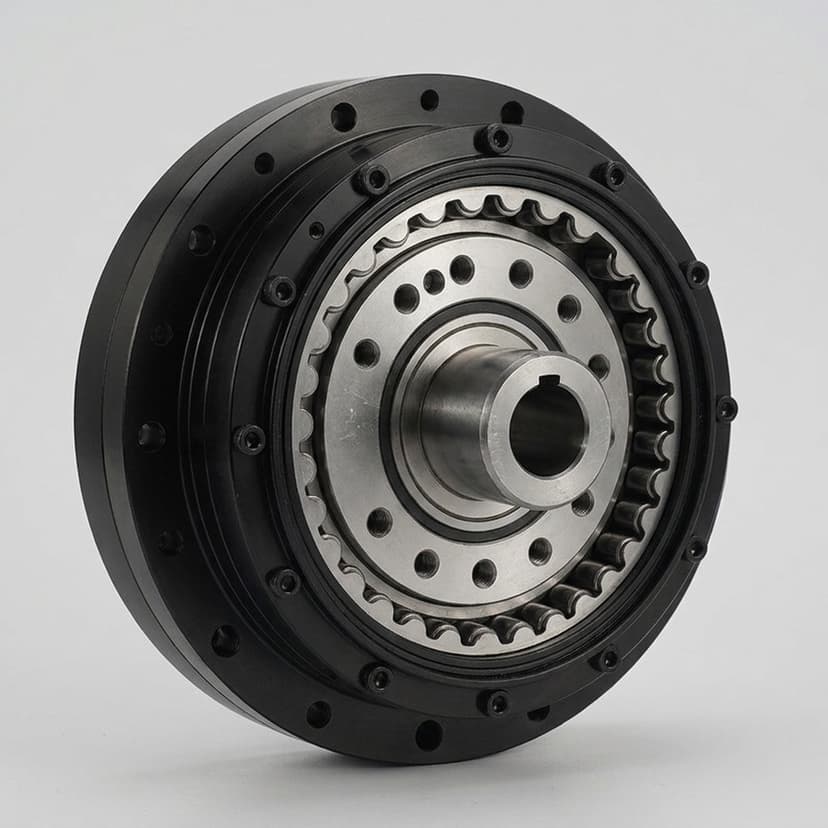
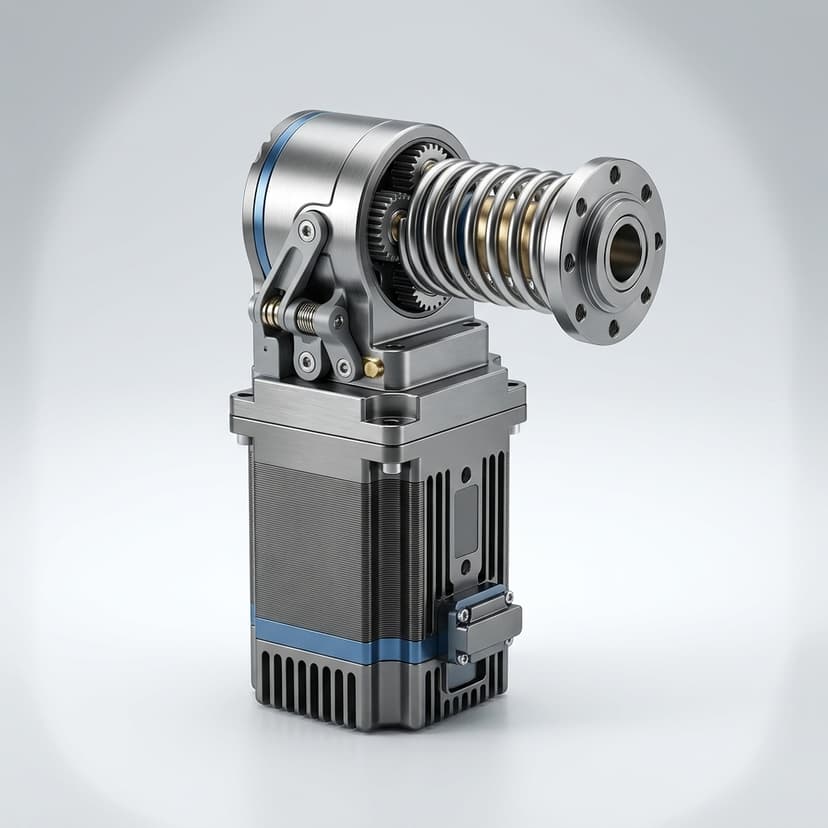
It is commonly selected for dynamic locomotion scenarios where impact handling and compliance are required.
Yes. We recommend defining fault and fallback conditions at RFQ stage to avoid late-stage redesign.
Use a revision-controlled transfer package covering CTQ, process checks, and outgoing records.
Public download links for procurement and engineering teams. No account or login required.
Inquiry Email
Send target torque/speed, quantity, and destination for faster RFQ response.