| 3 Finger Actuator | Automation engineering and sourcing teams evaluating 3-finger gripping architecture before RFQ lock. | Per-finger force estimate: Derived from payload, friction, and safety factor | Determines whether adaptive catalog classes are still feasible. |
| 3 Finger Actuator Electric | Automation engineering and sourcing teams evaluating electric 3-finger gripping feasibility. | Per-finger force estimate: Derived from payload, friction, and safety factor | Determines whether catalog electric 3-finger classes are feasible. |
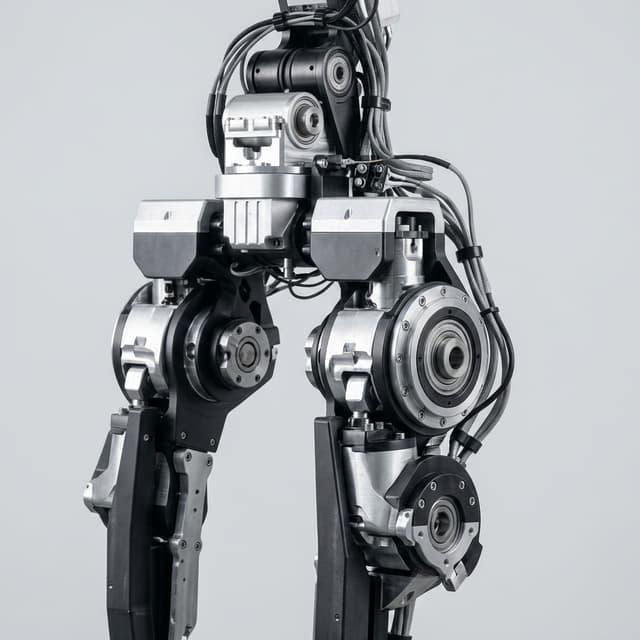
| Actuator Joints Knee | Robotics engineering and sourcing teams evaluating humanoid knee actuator joints before sample architecture lock. | Required knee peak torque: 90/120 N.m in Unitree G1 public data; around 360 N.m in H1 public data | Knee pitch often becomes the lower-body torque ceiling during stairs, squat, jump, and stumble recovery. |
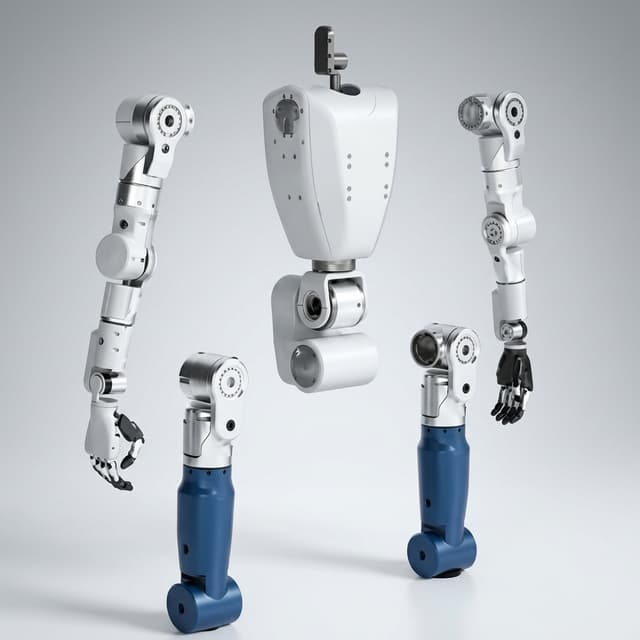
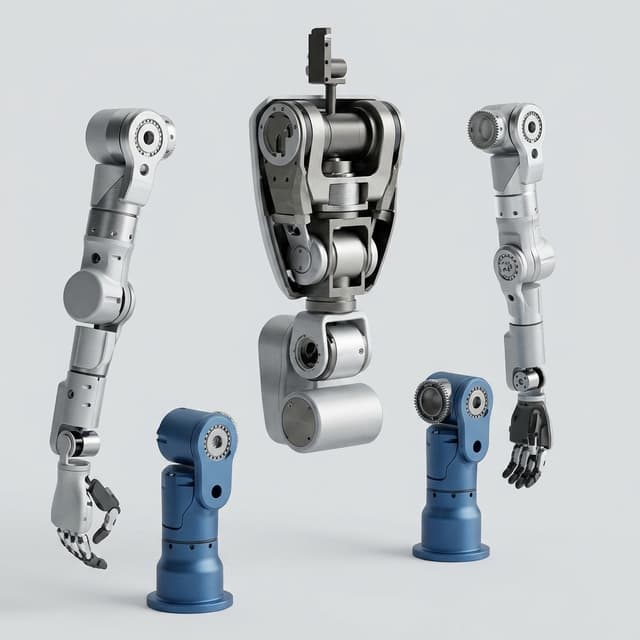
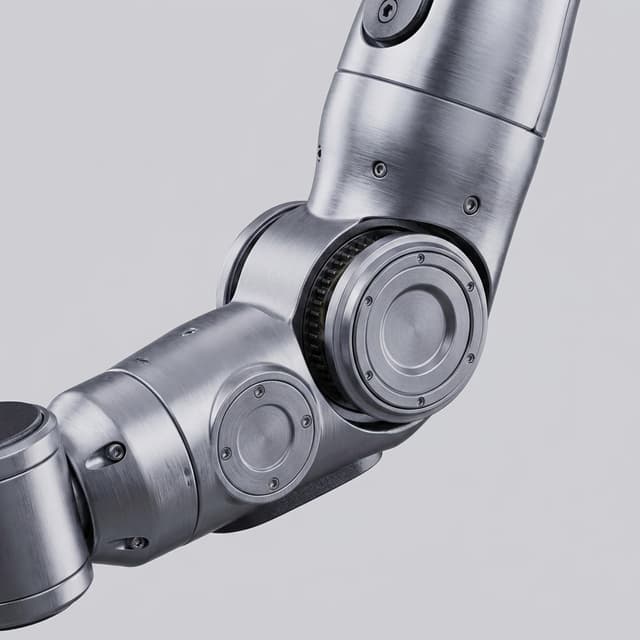
| Actuators for Humanoid Robots | Robotics engineering and sourcing teams deciding which actuator families fit a humanoid robot before sample architecture lock. | Body-axis count: Public humanoids often disclose 20-40+ body DOF before optional hands | Axis count drives actuator group count, harness complexity, controller channels, and maintenance planning. |
| Bipedal Locomotion Joint Systems | Robotics engineering and sourcing teams planning dynamic legged programs. | Peak torque reserve: Defined by gait and payload scenario | Reserve margin prevents instability during transient events. |
| Upper-Limb Dexterity Joint Systems | Teams focused on end-effector precision and robust arm-axis integration. | Repeatability target: Program-defined by application tolerance | Precision tasks require stable repeatability over time. |
| Proprioceptive Legged Robot Joint Programs | Teams needing robust force-control behavior and repeatable sensor-actuator integration. | Feedback integrity: Program-specific with control-loop requirement | Feedback stability is critical for force-control safety and response quality. |
| Exoskeleton and Assistive Joint Programs | Teams balancing motion responsiveness, package constraints, and production reliability. | Response smoothness: Tuned to user-interaction profile | Smooth response quality influences comfort and controllability. |