
RFQ Checklist
- Joint axis function and motion profile
- Backlash and stiffness acceptance threshold
- Load spectrum and safety factor target
- Expected lifecycle and maintenance assumptions
- Sample validation method and evidence format
High-precision harmonic reducer module for low-backlash humanoid arm and wrist axes.
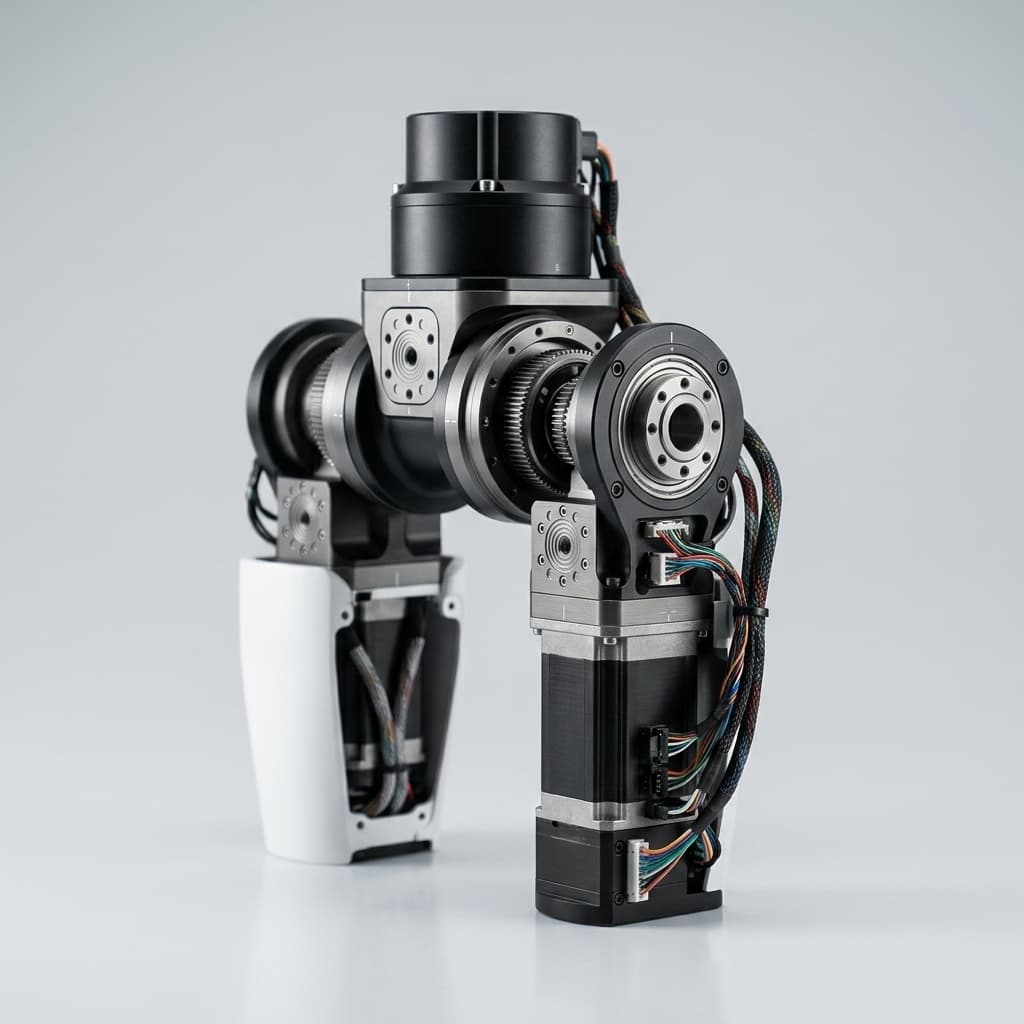
Download exact 3D STEP models, 2D installation tolerances, and electrical wiring PDFs. Verified for standard OEM integration.
Exploded view and deterministic T-N operational envelope.
| Metric | Typical Range | Why It Matters |
|---|---|---|
| Backlash class | Program-defined low-backlash class | Backlash directly influences precision and stable force control at end effector. |
| Torsional stiffness | High stiffness by application segment | Stiffness impacts dynamic response and repeatability under changing load. |
| Shock load tolerance | Validated against axis-specific events | Shock resistance is critical for real-world manipulation tasks. |
Reference parameters for the base configuration.
| Specification | Typical Range / Value | Unit |
|---|---|---|
| Peak Torque (Tmax) | 50.1 | N·m |
| Continuous Torque (Tc) | 28.6 | N·m |
| Nominal Voltage | 48V / 96V DC | - |
| Max Output Speed | 105 | RPM |
| System Weight | 0.57 | kg |
| Ingress Protection | IP67 (Optional) | - |
| Communication Interface | EtherCAT (Dual Port) | - |
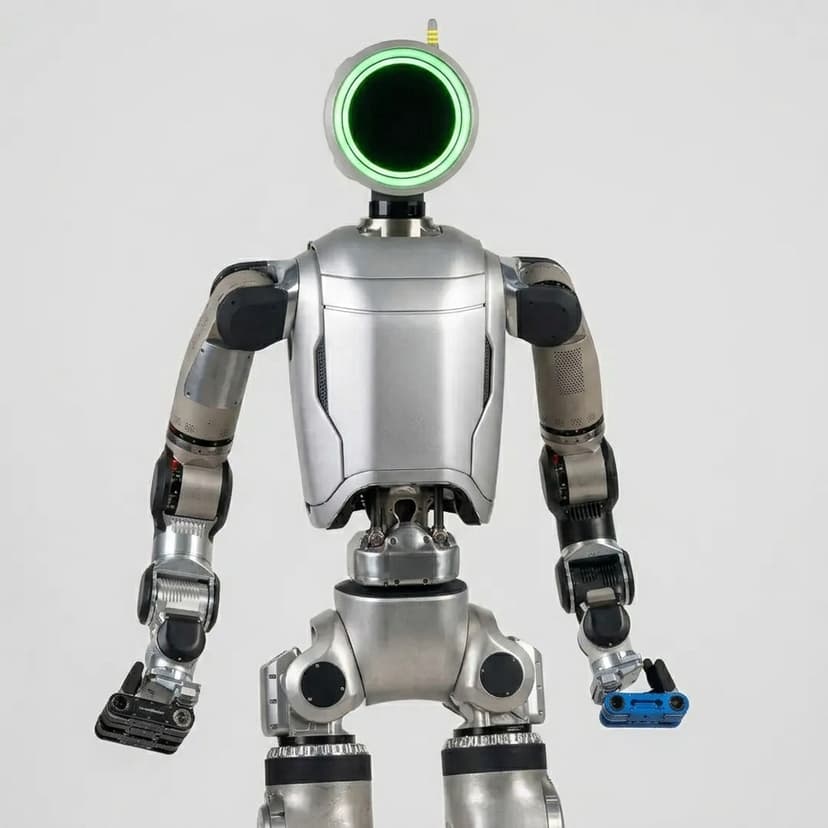
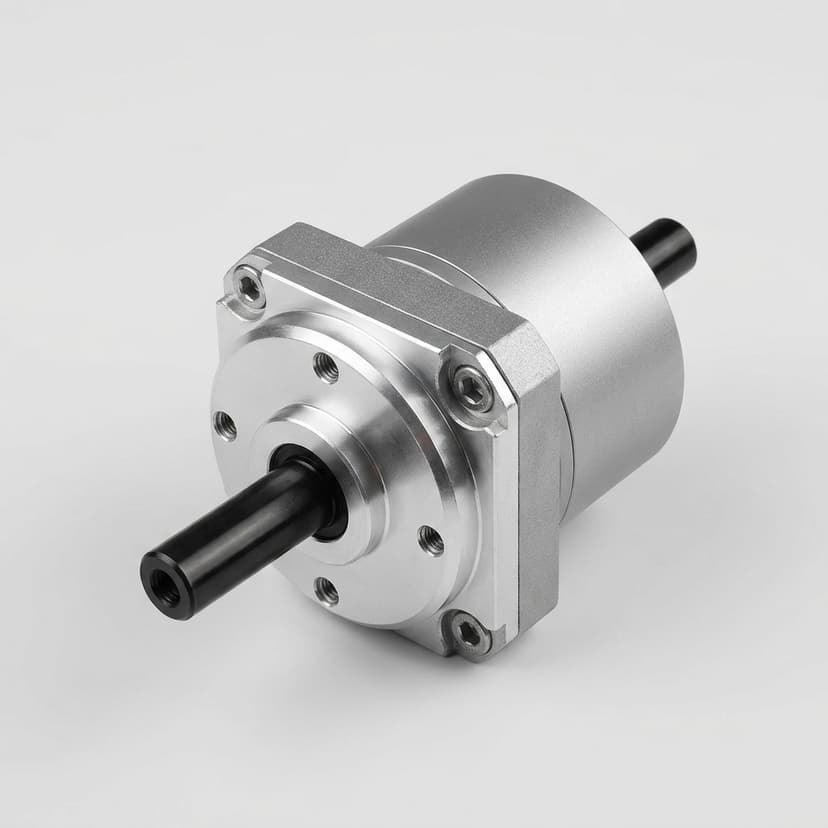
Yes. Interface adaptation is supported with DFM and tolerance-risk assessment.
Use measurable thresholds for backlash, stiffness, and repeatability under your representative load profile.
Yes. Share lifecycle targets and application duty so we can align recommendation and validation scope.
Public download links for procurement and engineering teams. No account or login required.
Inquiry Email
Send target torque/speed, quantity, and destination for faster RFQ response.