
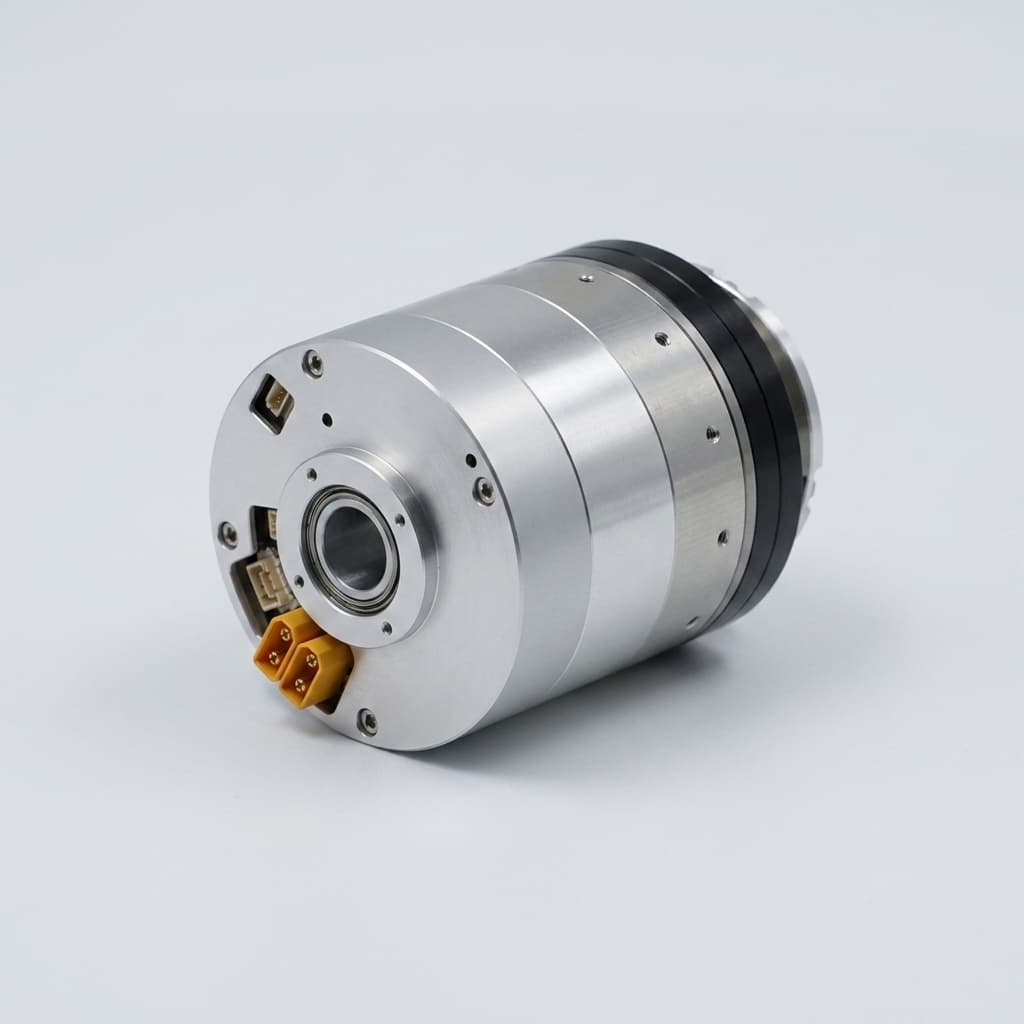
How to Audit Manufacturing and QA Before PO Release
A buyer-side field guide for auditing CTQ control, measurement reliability, and lot traceability before committing volume.
A factory can ship excellent pilot samples and still fail during mass production.
When that happens, root cause is usually not machining capability itself, but weak control logic: unclear CTQ checkpoints, loose reaction plans, or traceability that looks good on paper only.
The First Question I Ask on Audit Day
"Show me how you detect drift before customer complaints."
If the answer depends on manual experience only and cannot be tied to a written control plan, the system is fragile.
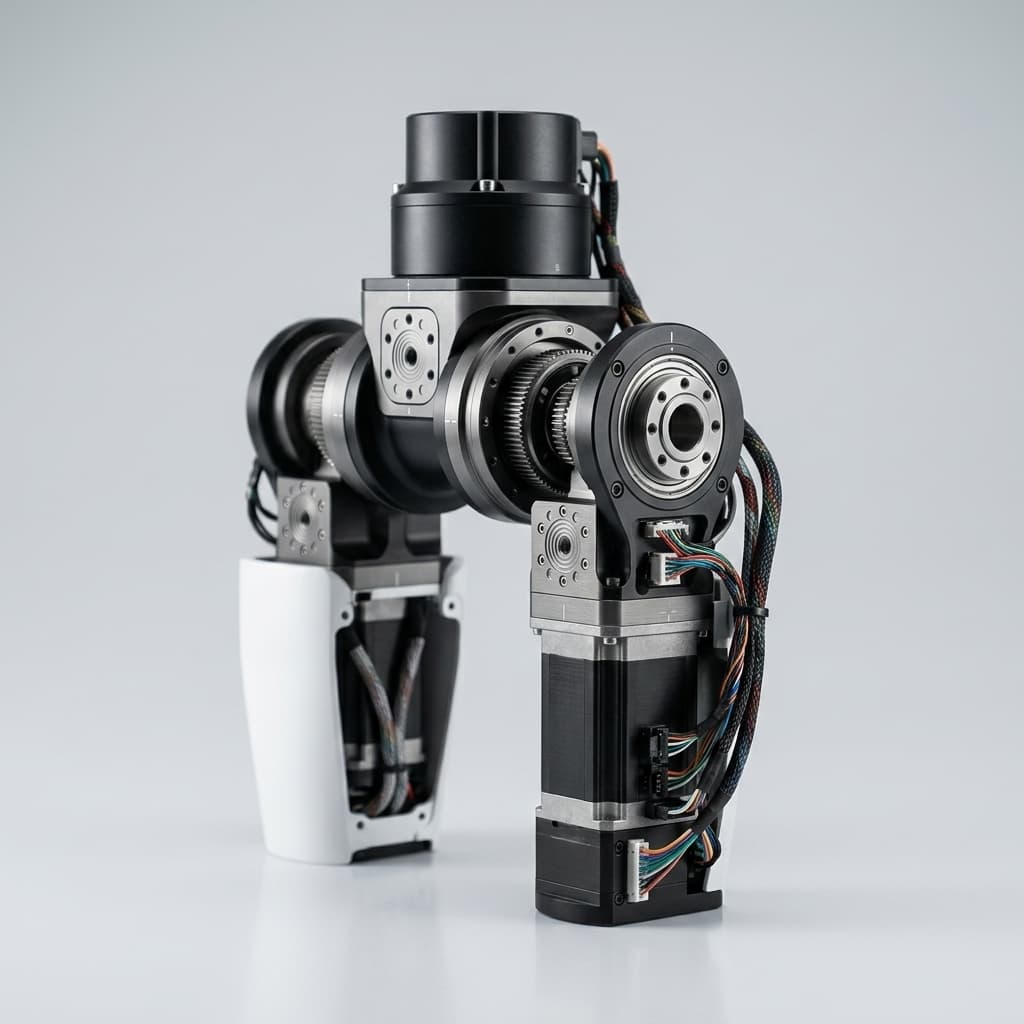
One-Day Audit Plan That Works
| Time | What to Verify | Evidence You Should See |
|---|---|---|
| 09:00-10:30 | Process flow for your part family | Router, station sequence, CTQ marks |
| 10:30-12:00 | Measurement system reliability | Gauge list, calibration status, CMM method |
| 13:30-15:00 | In-process control | Inspection frequency + reaction rules |
| 15:00-16:30 | Final release and traceability | Outgoing checklist + lot demo |
| 16:30-17:30 | Open risks and closure plan | Owner, due date, verification method |
Remote audit can work, but only if you can see live records and station execution, not slides only.
CTQ Control Plan: Minimum Useful Format
| CTQ | Measurement Method | Frequency | Reaction Plan |
|---|---|---|---|
| Output shaft runout | CMM + dial indicator cross-check | Start-up + interval check | Stop lot, segregate WIP, fixture re-verify |
| Flange datum position | CMM datum method | Per batch + after tool change | Quarantine affected lots and root-cause within 24h |
| Backlash proxy feature | Functional jig + dimensional proxy | Defined by risk tier | Block release until engineering review |
A CTQ table without reaction plan is just documentation, not risk control.
Measurement Reliability: What Buyers Miss
Many teams ask, "Do you have CMM?" That is the wrong question.
The better question is, "How do you know this measurement system is trustworthy for this CTQ?"
Common industrial gating references:
- Gauge R&R
<= 10%for critical characteristics is usually treated as strong. - 10-30% is often conditional and requires written risk acceptance.
- Beyond 30% usually means the measurement system needs redesign before relying on the data.
Use these as decision references, then adjust for your own field-risk tolerance.
Capability and Drift Rules Before PO
For critical fit features, many buyer teams set a pre-ramp expectation such as Cpk >= 1.33.
What matters even more than the exact number is whether drift triggers are explicit:
- Who gets alerted when trends move toward spec limits?
- What containment action starts immediately?
- How fast must corrective action be closed?
If this is unclear, the PO risk is operational, not theoretical.

Traceability Stress Test (Do This Live)
Ask the team to pick one outgoing lot and demonstrate, in real time:
- Material lot linkage
- In-process inspection record
- Final release record
- Revision baseline used for that lot
If they cannot complete this chain quickly and consistently, future field incidents will be expensive to isolate.
Escalation SLA Template (Buyer Friendly)
Use a simple written SLA:
- Acknowledge issue within 24h
- Provide containment plan within 72h
- Close corrective action within 30 days (or agreed project timeline)
The SLA is only meaningful if each severity level has a named owner.
PO Release Scorecard
| Area | Weight | Release Signal |
|---|---|---|
| CTQ control maturity | 30 | Control plan + reaction logic complete |
| Measurement reliability | 20 | Critical measurements are trustworthy |
| Traceability depth | 20 | Lot-to-material-to-revision chain proven |
| Escalation readiness | 15 | Owner + SLA + closure logic defined |
| Change governance | 15 | Effective-lot and notice policy is clear |
Practical rule: do not release PO below 75/100, and do not release at any score if traceability fails live demo.
If you need a pre-PO audit checklist tailored for humanoid joint projects, contact [email protected] or WhatsApp +86 18857971991.
Related Pages
Author

Categories
More Posts
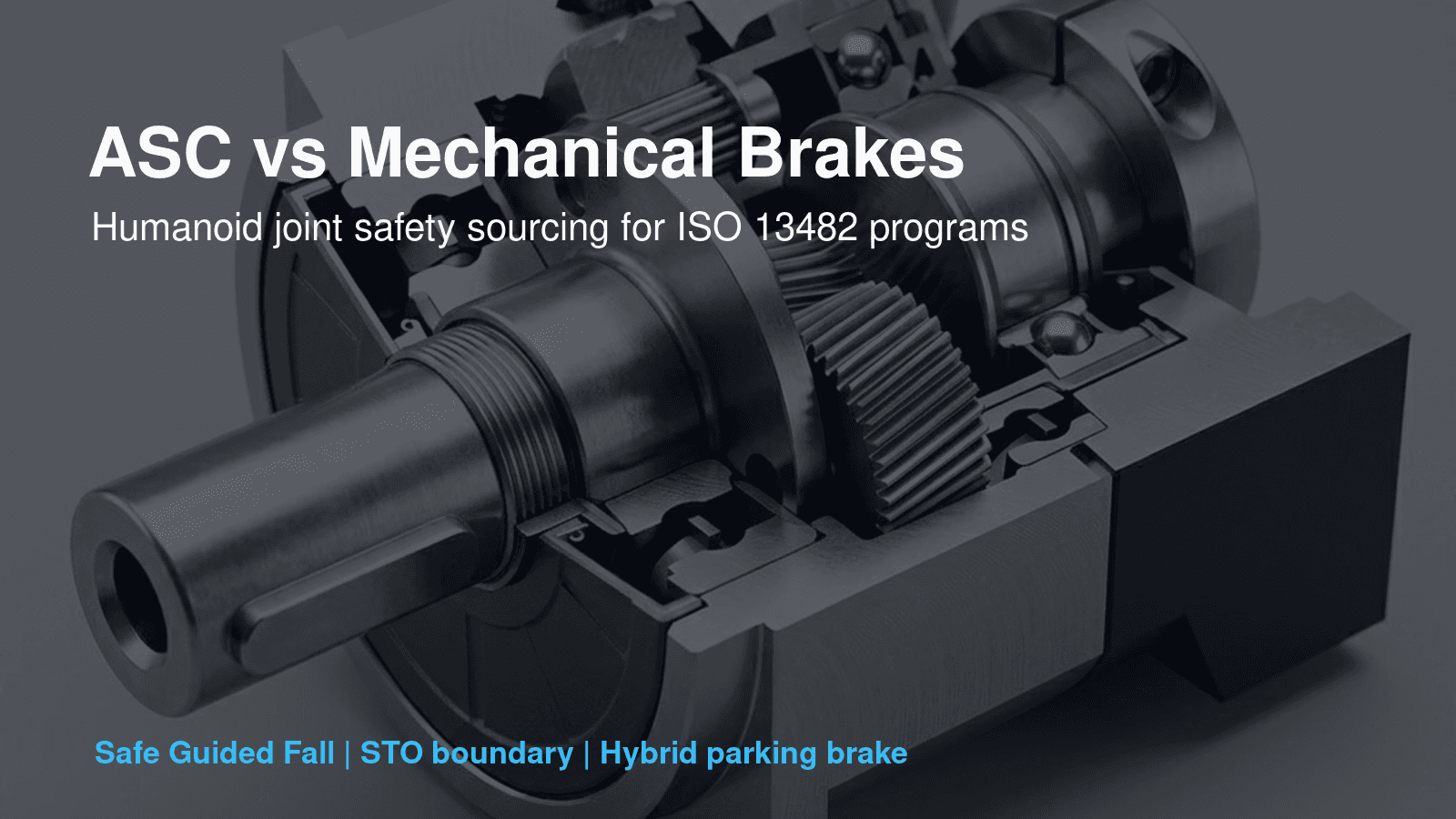
Active Short Circuit (ASC) vs. Mechanical Brakes in Humanoid Joints: Sourcing for ISO 13482
Compare ASC vs mechanical brakes for humanoid joints in 2026 sourcing. See SGF, BOM, weight, ISO 13482 limits, and RFQ checks before contacting engineering.
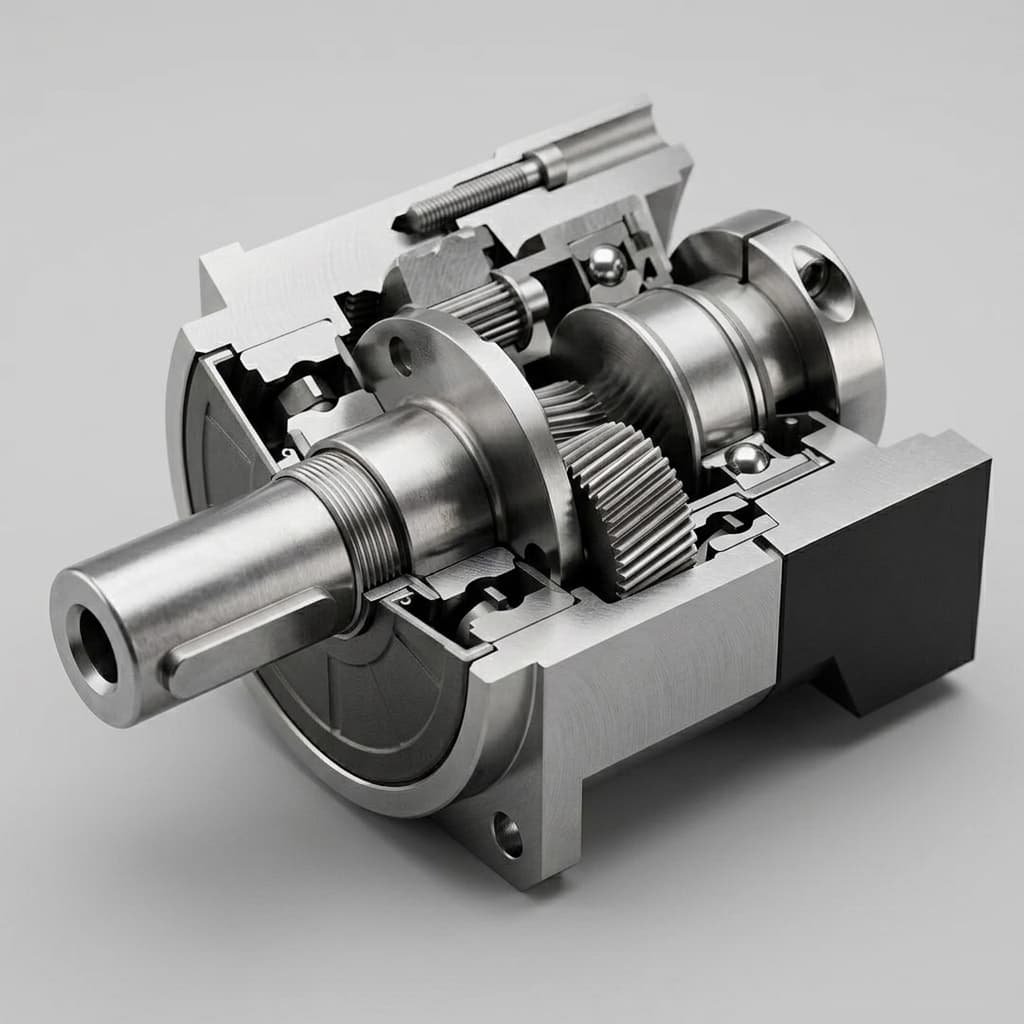
In-House Assembly vs. Pre-Integrated Humanoid Joint Modules: A 2026 Scalability & Cost Analysis
A comprehensive 2026 cost and scalability analysis comparing in-house joint assembly against sourcing pre-integrated actuator modules for humanoid robots.
The Humanoid Joint Thermal Wall: Sizing & Procurement Guide for OEM Buyers
Size continuous torque, compare materials, request derating data, and contact us with RFQ inputs using this humanoid joint thermal wall guide.