

Research: Humanoid Joint Functional Safety
Draft research on humanoid joint safety
Research & Topic Selection: Humanoid Joint Functional Safety & Procurement
1. Topic Candidate Comparison
We evaluated 5 potential "evergreen" topics focusing on new procurement pain points in mid-2026:
| Candidate Topic | Search Intent & Value | Competitive Gap | Decision/Selection |
|---|---|---|---|
| 1. Functional Safety in Humanoid Joints: Sourcing for ISO 10218:2025 & ISO 25785-1 | High. Buyers must ensure the joints they buy have the necessary hardware (dual absolute encoders, STO, fail-safe brakes) to pass new safety regulations. | Competitors talk about "collaborative robots" broadly, but not what specific actuator hardware is needed to prevent dynamically stable robots from falling safely. | Selected. Extremely strong B2B urgency, directly impacts OEM RFQs, ties directly to our "integrated joint with brake and encoder" product. |
| 2. The "Engine Supplier Gap": Hollow Shaft Standardization for 2026-2028 | Medium. Focuses on mechanical interfaces and cabling routing to avoid vendor lock-in. | Somewhat niche; more about mechanical design than a hard regulatory requirement. | Rejected. Good for a future post, but less immediate RFQ impact than safety compliance. |
| 3. Tactile & Force-Torque Integration: Wrists vs. Legs | Medium. Comparing spec differences between low-inertia arms and high-torque legs. | Well-covered by academic papers, less actionable for general joint module procurement. | Rejected. Too academic, not enough procurement angle. |
| 4. Harmonic vs. Cycloidal vs. QDD in Humanoid Legs: TCO Guide | High. Reducer wear and tear is a major total cost of ownership issue. | Highly competitive space; many actuator companies have already written basic comparisons. | Rejected. Lacks the "new standard/concept" requirement for 2026. |
| 5. Geopolitical Supply Chain for NdFeB Magnets in Joints | High. Sourcing reliable high-temp magnets amidst supply chain volatility. | Too macro-economic; might age poorly if geopolitical situations change rapidly. | Rejected. Not strictly evergreen enough compared to safety standards. |
2. Rationale for Selection
We selected Candidate 1 because ISO 10218:2025 was recently published, and ISO 25785-1 (for actively controlled stability robots) is currently in development. Procurement teams are realizing that buying a "strong motor" is not enough. If the robot loses power, a traditional E-stop makes it fall over, creating a crushing hazard. The joints must be hardware-equipped with power-off brakes, Safe Torque Off (STO), and dual encoders to manage a controlled descent or safe stance. This forces buyers to upgrade their BOMs and heavily scrutinize suppliers.
3. Information Increment (Value Add)
- Clarification of "Safe State": We explain why traditional power-cut E-stops fail for humanoids.
- Hardware-Level Requisites: We map ISO standards directly to BOM requirements (Dual Encoders, Friction Brakes).
- Actionable Checklist: Gives QA and buyers exact questions to ask vendors about MTBF, B10d data, and STO driver integration.
4. Key Sources
- ISO 10218-1:2025 / ISO 10218-2:2025 (Robotics - Safety requirements)
- ISO/TC 299/WG 12 (ISO 25785-1 Under development for mobile robots with actively controlled stability)
- Machinery Regulation (EU) 2023/1230
5. Article Details
- Target File:
content/blog/functional-safety-humanoid-joint-iso-25785-procurement.mdx - Slug:
functional-safety-humanoid-joint-iso-25785-procurement - Target Length: 1800+ words
- Visuals: Inline SVG demonstrating the Dual-Encoder Architecture + fail-safe brake, and a structured HTML/Markdown table comparing Standard vs. Safety-Rated joint specs.
More Posts
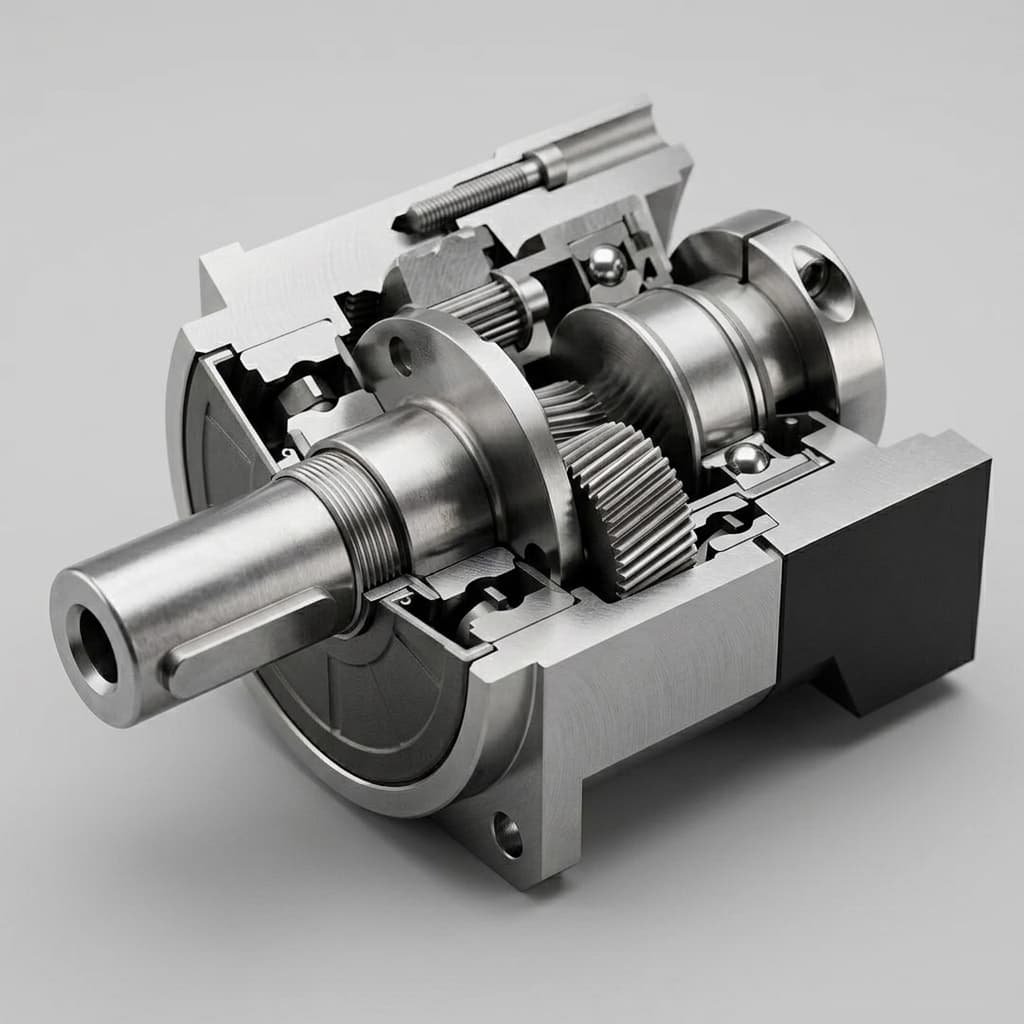
Hollow Shaft (Through-Hole) Humanoid Joints: A 2026 Procurement & Engineering Guide
Procurement guide for hollow-shaft humanoid joints. Compare BOM costs, bearing tradeoffs, and cable routing strategies for 2026 robot architectures.

Humanoid Joint RFQ Checklist for OEM Buyers
What to include in your first RFQ email so quotes are comparable, lead times are believable, and engineering rework is reduced.
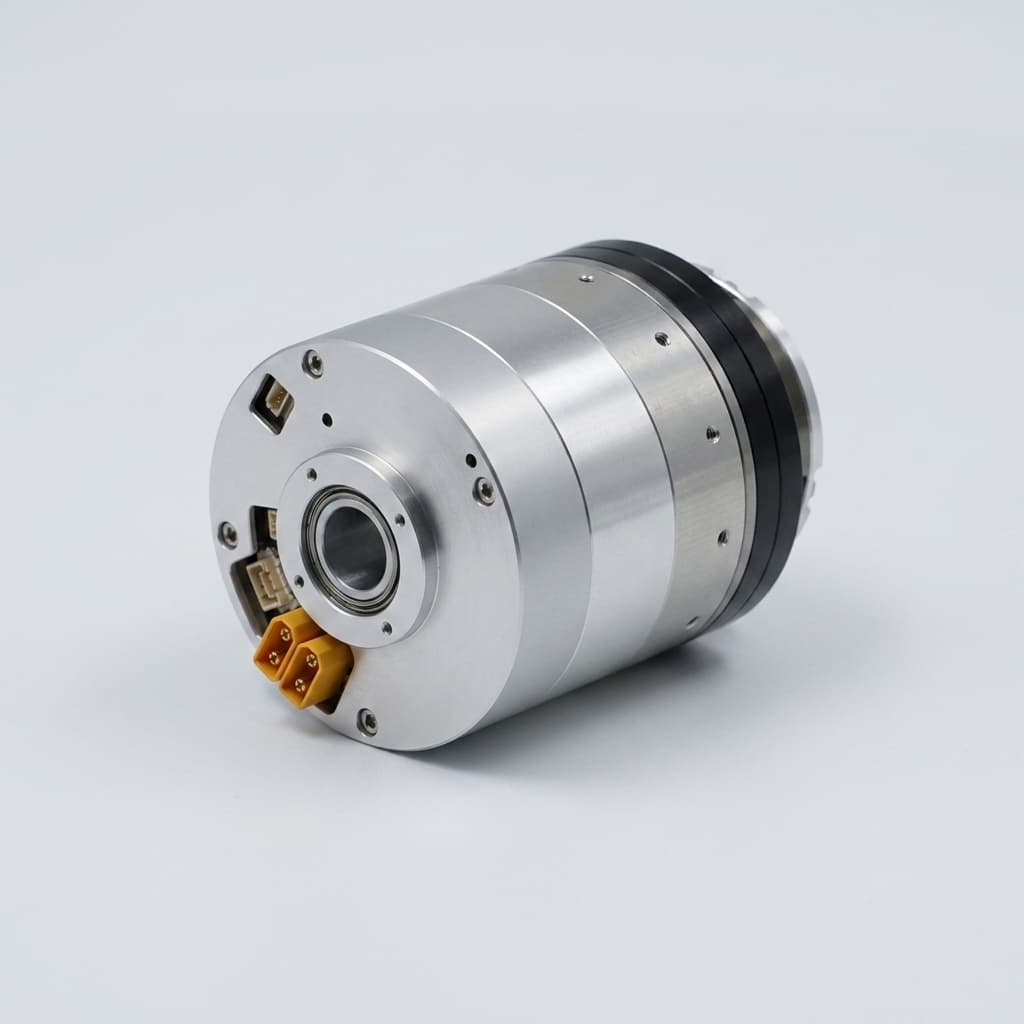
How to Audit Manufacturing and QA Before PO Release
A buyer-side field guide for auditing CTQ control, measurement reliability, and lot traceability before committing volume.