

DDP, RoHS, and REACH Playbook for Humanoid Joint Imports
A buyer-side execution guide to align delivery terms, compliance files, and shipment release decisions before cross-border dispatch.
In cross-border joint programs, delays are often created before goods leave the factory.
The root cause is usually not production speed. It is ownership ambiguity: trade terms, compliance documents, and release gates are not aligned early enough.
DDP Works Only with Named Owners
DDP is useful when responsibility is explicit, not assumed.
Before PO release, confirm ownership for each step:
- Export documents
- Transit milestone updates
- Import-side coordination
- Exception handling during customs events
- Final handover confirmation
If a step has no owner, that step becomes your delay point.
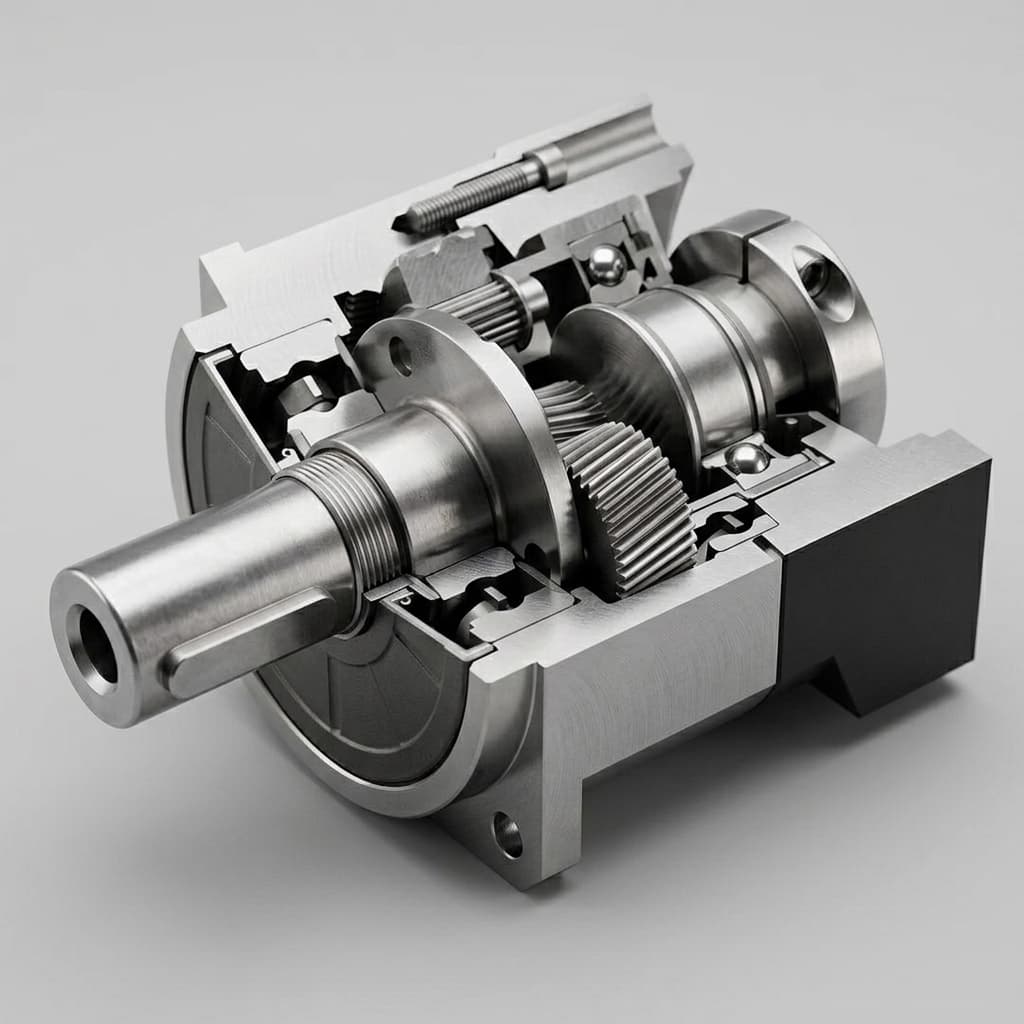
DDP or DAP: Simple Decision Logic
| Condition | Prefer DDP | Prefer DAP |
|---|---|---|
| Seller has proven destination execution | Yes | No |
| Buyer has strong local broker control | Optional | Yes |
| Import process complexity is high | Case-by-case | Often safer |
| Buyer needs one accountable execution owner | Yes | No |
There is no universal "best" term. The right choice depends on who can execute destination-side steps with lower risk.
Compliance Files: Tie Every File to Revision and Lot
Generic declarations create shipment friction. Always bind files to actual shipment identity.
| File | Must Include |
|---|---|
| RoHS declaration | Model/part number + revision |
| REACH statement | Material scope + revision |
| Supporting evidence | Lot or batch mapping reference |
| Issue metadata | Date, signer, and document version |
Without this linkage, customs or internal QA checks can block release even when product quality is fine.
Milestone-Based Document Checklist
RFQ stage
- Confirm destination market and required document scope
- Define language/format requirements
- Lock expected submission timing
Sample stage
- Validate preliminary file package against sample revision
- Track all document gaps as formal open items
Pre-shipment stage
- Freeze final file set by outgoing lot
- Cross-check revision match between goods and declarations
- Confirm customs-side prerequisites with broker
Post-arrival stage
- Archive final file set by PO and lot
- Record any mismatch and close with corrective actions
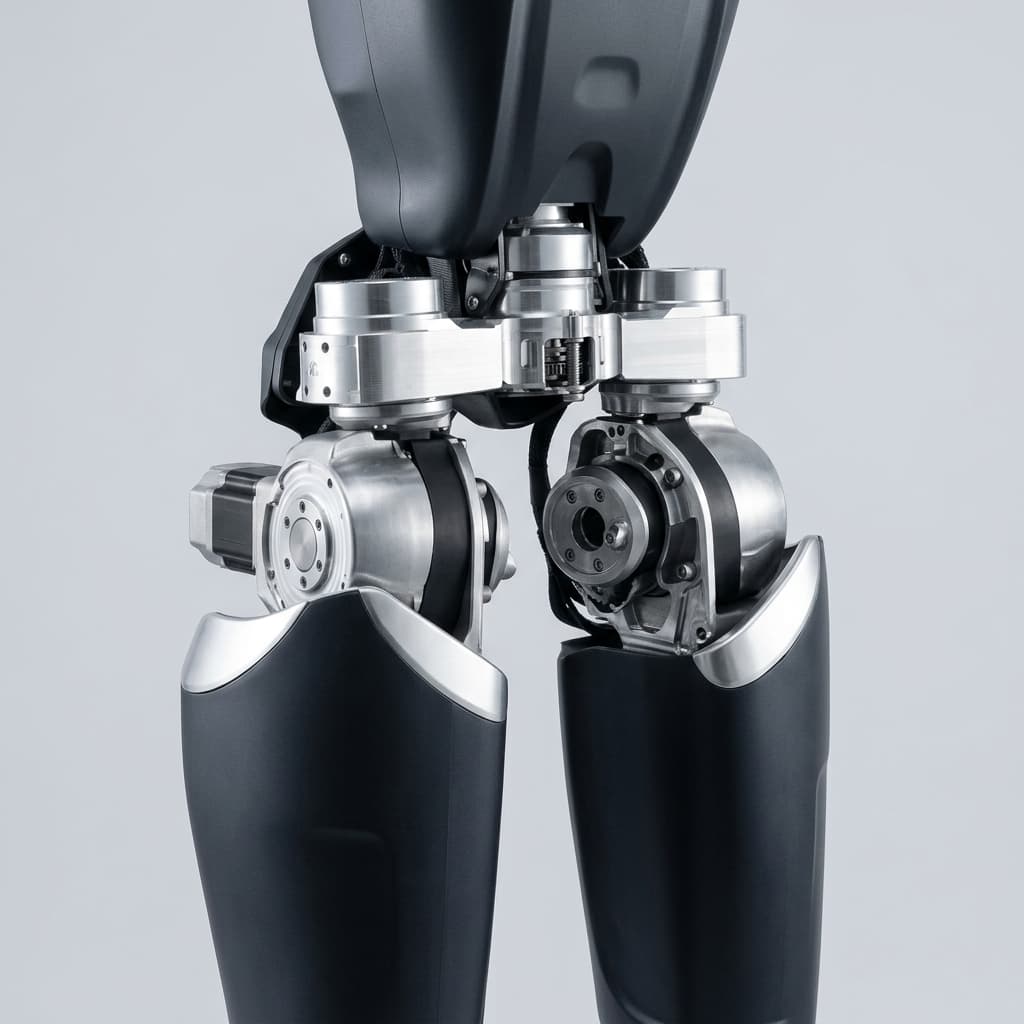
Naming Convention That Prevents Confusion
<Project>_<PartNo>_<DocType>_<Revision>_<Lot>_<YYYYMMDD>.pdf

Example:
HJ01_JNT-450_RoHS_REV-C_LOT2405_20260523.pdf
HJ01_JNT-450_REACH_REV-C_LOT2405_20260523.pdf
Simple naming discipline saves time when exceptions happen.
Exception Escalation Matrix
| Event | Owner | Response Target | Immediate Action |
|---|---|---|---|
| Missing compliance file before dispatch | Supplier PM + Buyer SCM | Same business day | Hold shipment or split compliant lots |
| Customs query on declaration mismatch | Buyer broker + Supplier document owner | < 24h | Issue corrected package with revision trace |
| Lot-document mapping conflict | QA + Logistics | < 24h | Quarantine lot until mapping is proven |
If response targets are not agreed in writing, escalation is usually slower than expected.
Shipment Release Exit Criteria
Release only when all are true:
- Final document package is complete and lot-matched.
- Trade-term ownership table is accepted by both parties.
- Exception contacts and response windows are confirmed.
- Broker-side prerequisite check is complete.
If one item is missing, escalate and hold release.
If you want a destination-specific delivery and compliance review for your humanoid joint program, contact [email protected] or WhatsApp +86 18857971991.
Related Pages
Author

Categories
More Posts
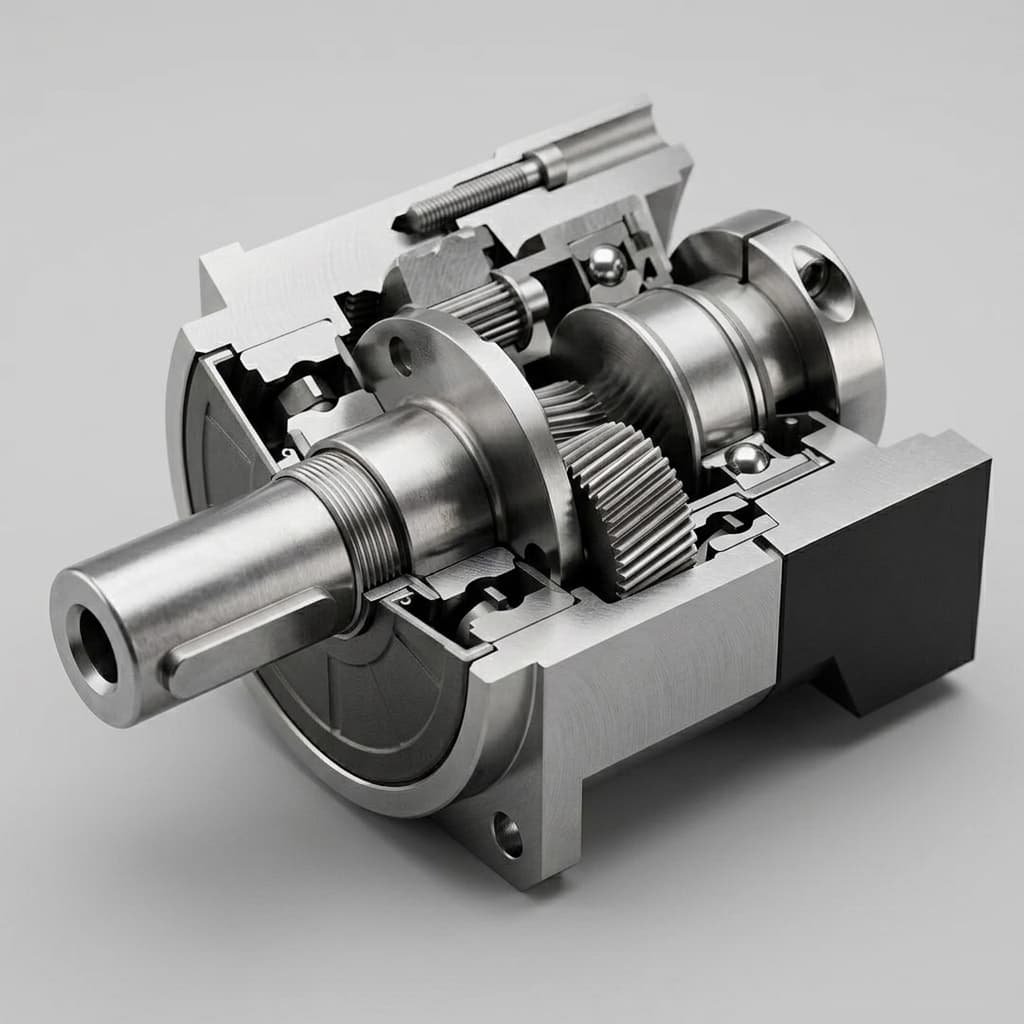
48V vs. 400V Humanoid Joint Architectures: A 2026 Procurement and Supply Chain Guide
Use this 2026 guide to compare 48V and 400V humanoid joint architectures by safety, wiring weight, TCO, supplier risk, and RFQ readiness.

Research: Humanoid Joint Functional Safety
Draft research on humanoid joint safety
In-House Assembly vs. Pre-Integrated Humanoid Joint Modules: A 2026 Scalability & Cost Analysis
A comprehensive 2026 cost and scalability analysis comparing in-house joint assembly against sourcing pre-integrated actuator modules for humanoid robots.